
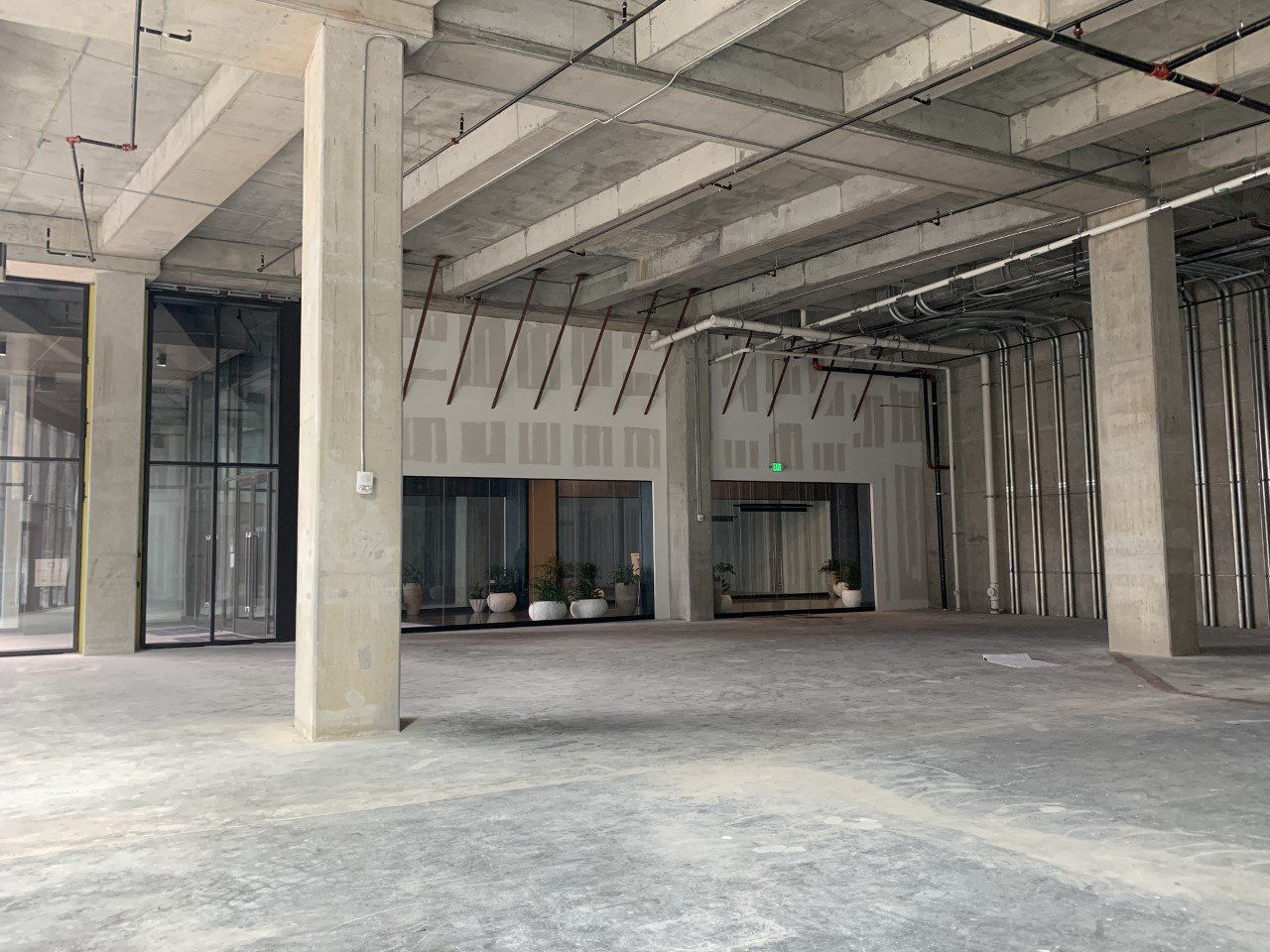
Star Metals Whitebox
If you’re leasing a commercial space or preparing a property for its next tenant, you’ve probably heard the term “white box.” It sounds straightforward: a clean, open space ready for a new business.
But what is actually included—and how much work remains before opening day?
At 90 Degree Construction, we help property owners, property managers, and businesses turn commercial spaces into places that work for their next chapter. Understanding the starting condition is an important part of that process.
## What Is a White Box Space?
A white box is a partially finished commercial interior that provides a basic starting point for a tenant’s build-out. You may also hear it called a “vanilla box” or “vanilla shell.”
Depending on the agreed scope, it may include finished perimeter walls, a concrete floor, basic lighting, and working building systems. The tenant then completes the layout, finishes, and improvements needed for their business.
The key detail? “White box” does not describe one universal construction standard. Two spaces advertised with the same term can have very different levels of completion.
-What Should You Look For?
Before making assumptions about a white box space, clarify what will be provided:
- Walls: Will drywall be finished, primed, or painted?
- Floors: What condition will the slab be in, and what preparation remains?
- Ceilings: Will there be a finished ceiling or exposed structure?
- Electrical: What service, lighting, and outlets will be available?
- HVAC: What equipment and distribution will be included?
- Plumbing: Are there finished restrooms, plumbing connections, or provisions for future fixtures?
These details should be documented in the project scope and the lease’s construction exhibit or work letter, rather than left to the label alone.
-Does White Box Mean Ready to Open?
Not necessarily. A space can be ready for tenant improvements while still requiring substantial work for a particular business.
A boutique may need fitting rooms, display lighting, and flooring. A salon may need plumbing at individual stations. A restaurant may require kitchen infrastructure, ventilation, and specialized equipment.
Even when basic systems are present, their condition and capacity need to be evaluated against the proposed use. A clean interior does not automatically mean the space is ready for your business to occupy.
-Why White Box Work Matters to Property Owners
For an owner or property manager, preparing a space for its next tenant is an opportunity to rethink how the property can be used.
An outdated interior may make it difficult for prospective tenants to picture their business there. Removing a previous tenant’s layout can help reveal the space’s possibilities. In other cases, dividing one large suite into smaller spaces may better fit the owner’s leasing plan.
Before starting demolition, it helps to consider the likely next use. What should be removed? What is worth keeping? Which improvements make sense now, and which should wait until a tenant’s needs are known?
-Start With a Clear Scope
Whether you’re preparing a vacant property or evaluating a future business location, a useful first question is:
“Exactly what will be included when this space is delivered?”
From there, the construction team can help identify the remaining work and develop a budget and schedule around the actual space.
At 90 Degree Construction, we work with commercial property owners, managers, and tenants on white box projects and tenant build-outs in the Atlanta area.
Have a space that needs a fresh start? Contact 90 Degree Construction to discuss your project.